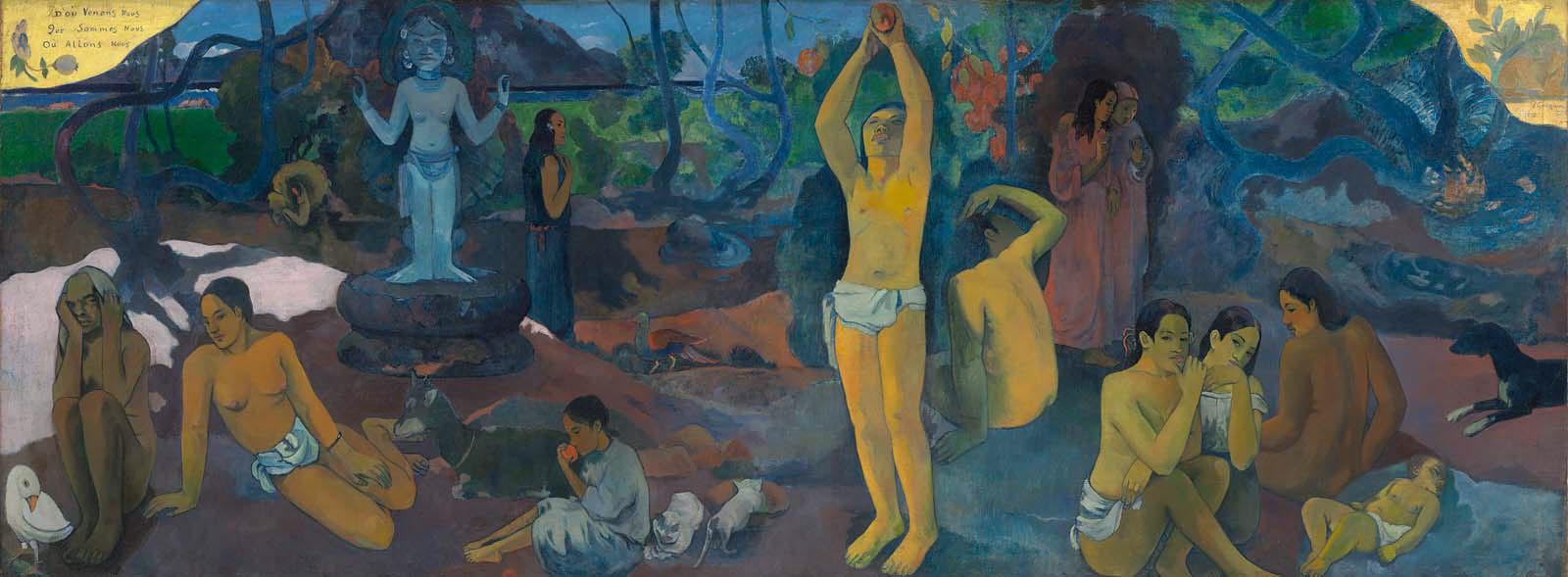
By Paul Gauguin(French, 1848–1903) 1897–98. Museum of Fine Arts, Boston
Where did we come from? What are we? Where are we going?
We all face these three questions at some point in our lives. They help define what it means to be human. We are unique and individual. Yet, as the questions suggest, we do not journey through life alone. Each question includes “we,” which suggests our deep connection with family, friends, and community.
Paul Gauguin painted his answer on a mural. What do you notice in this painting? What do you think is his answer to these three questions?
Check out the new discussion guides now listed in the green menu bar under “Conversation Discussion Guides.” Then click on “Three Questions.” Each guide offers a deeper, engaging way to explore topics like geography, food, customs, language, loss, and grace.
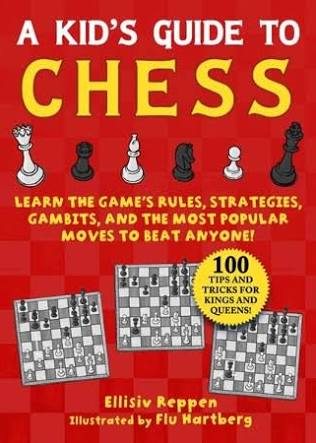
What new skills or subjects have you been learning lately? Tom Vanderbilt’s daughter was four years old when she became curious about playing chess. Since Tom did not know how to play, he found a coach for her. Recognizing that children learn new things all the time, Tom decided to challenge himself and learn something new— something that piqued his interest but about which he knew little. He chose activities unrelated to his work and that might be difficult to master. Surfing, singing, chess, drawing, and juggling were the five skills he decided to pursue. As a result, he wrote a book titled, Beginners: The Curious Power of Lifelong Learning.
For individuals who did not grow up in an English-speaking environment, mastering the skills of reading, writing, speaking, and listening in English can be a challenging yet essential endeavor for achieving success in the United State. Perhaps if we emulated Tom Vanderbilt and embraced the challenge of learning something new —something difficult that captivates us, we would develop mutual empathy in our student/friendships. Maybe you will inspire them, and in turn, they would inspire you to persist in the demanding task of mastering a new subject.
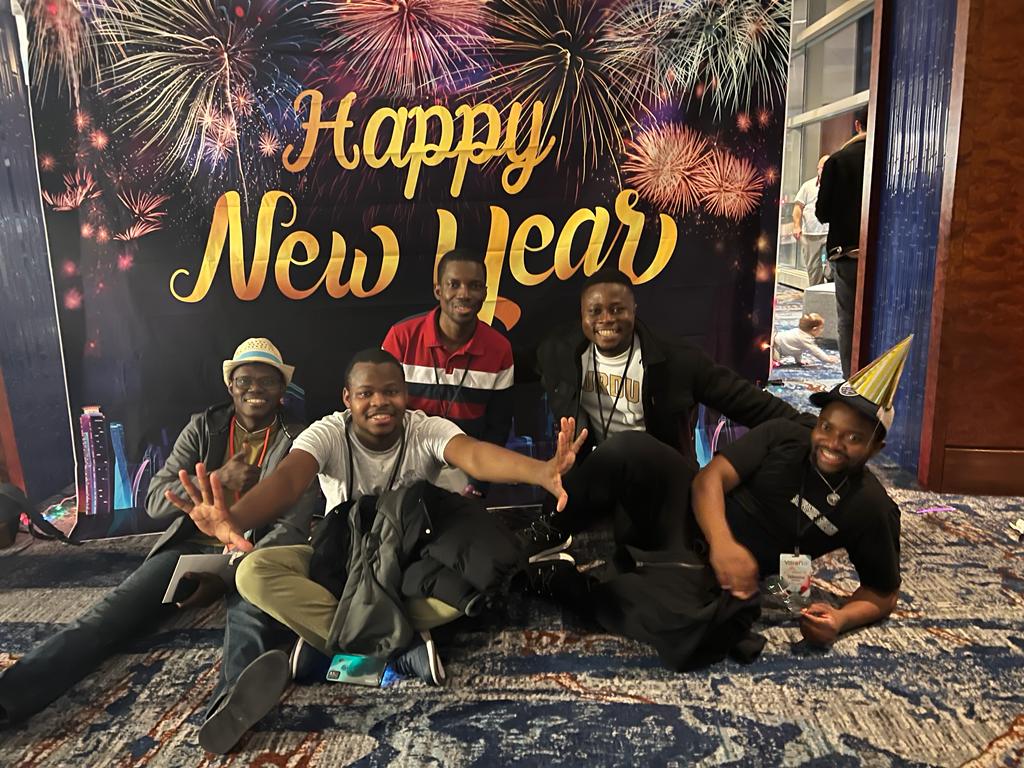
The new year represents a fresh start, a time for reflection on what we can no longer tolerate and the changes we wish to make.
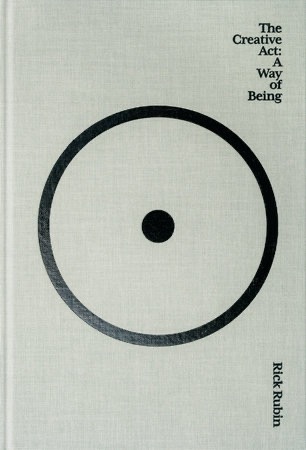
So… What will you make in 2025, or even today? Will you make your bed or bake a chocolate pie? Will you write an essay or post something on Instagram? Will you make a new friend or make peace with your past?
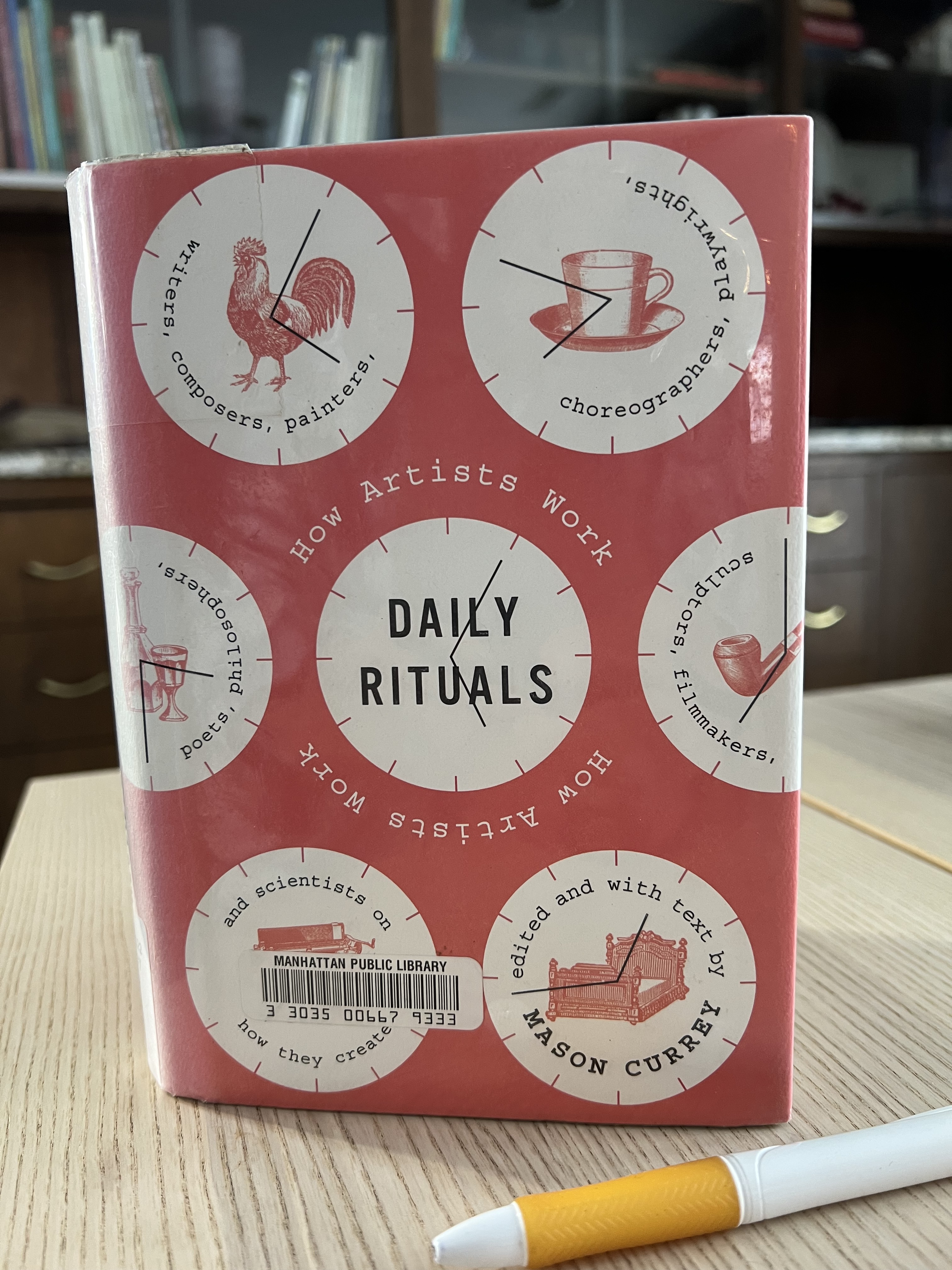
Next, we should consider when you will create it. While browsing through the stacks at the public library, I came across a fascinating book titled Daily Rituals: How Artists Work by Mason Currey. Each artist’s habits and routines are described on a single page. A common theme I discovered was that they all set aside specific times to write, usually in stretches of 3-4 hours. The locations where they wrote and the breaks they took varied greatly.
For instance, Somerset Maugham (1874-1965) dedicated three to four hours every morning to writing, aiming to produce 1,000 words. He faced a blank wall to avoid distractions from outside views. In contrast, Agatha Christie did not require a special place or desk; all she needed was a stable table and a typewriter. She wrote whenever she could find a moment free of interruptions.
As for me, I plan to set aside two hours to write and create. Additionally, I would love to dedicate another hour to read freely, exploring anything that piques my interest.
“Would you tell me about your city?” Get ready to hear a fascinating story when you ask that question. We follow up that question with four more.
1. Tell me about your favorite place in your city.
2. What challenges or difficulties has your city faced?
3. How has your city contributed or hindered you in your personal growth?
4. When you think about your city’s future, what makes you feel optimistic or hopeless? When you think about your own personal future, what gives you confidence?
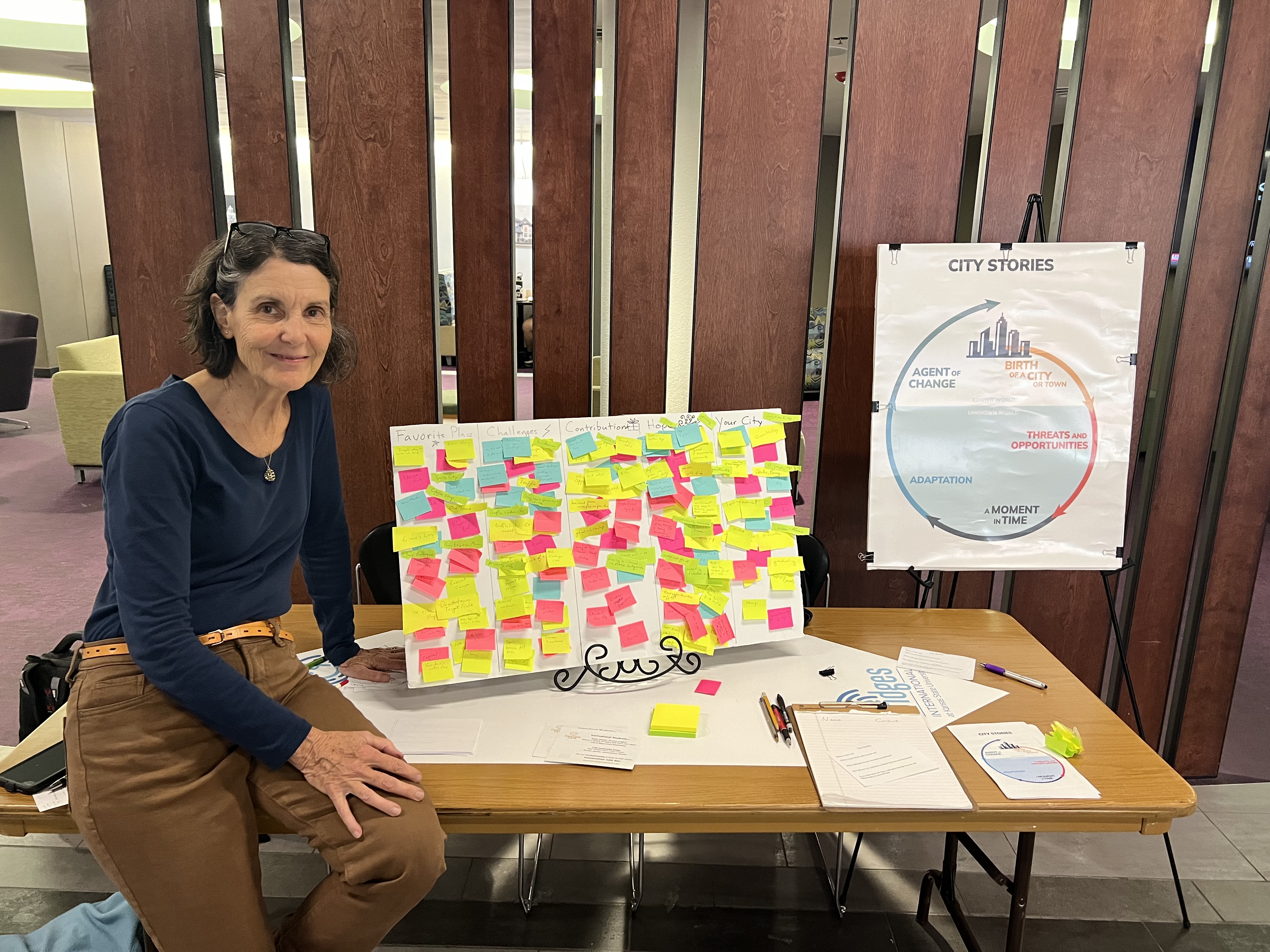
This week we had a table in our student union. The poster alone attracted attention. Almost everyone we asked shared their experience. What did we learn? Coffee shops all over the world were popular meeting places. Traffic was a problem frequently mentioned. Many felt that they were helped by the education and community connections they felt. If there were problems, it had to do with crime, poverty and traffic. Most felt optimistic about the future of their cities due to growing industry and population. When it came to personal hope, most said they were confident in their abilities, their family and friends, and education. Some mentioned their faith in God/Jesus Christ. Some said they never thought about that question or had no hope.
Are you seeking to understand your friend a little more? Ask them about their city.
It is August—time for school to start again. For international students just arriving in the United States, it can be overwhelming.
First, there is the language. Learning a language in a classroom somewhere else is not the same as immersion. Also, there is the new educational system. What do you call your professor? How much should you participate in class? Should you wait to be called on or volunteer? And why all these homework assignments? Do I need to attend class often?
Then there are the challenges of finding an apartment, understanding the lease, adjusting to a roommate, figuring out how to bank, and how the transportation works. It’s a lot.
Lisa Espineli Chinn’s book, Think Home, suggests the 3 “I’ ‘s. The first “I” is Imitate, meaning, do what everyone else does. Don’t invent or do what you did back home. Follow the educational rules. Listen to how others speak and when. Ask questions about what you don’t understand.
Next is Isolate. This doesn’t mean we hide away or not participate in activities around us. It does mean we notice and resolve difficult emotions we experience like sadness, loneliness, and anger. You might take a walk and give yourself a break from stress.
Jane with husband and students from the Nelson Mandela Scholarship at Kansas State University, 2024
Finally, we Integrate, we use skills that have helped us in the past to feel more at home in the present. This could be telling ourselves to be patient or reminding ourselves of past successes we have achieved through patience and hard work.
For those of us on the receiving end of these marvelous, talented, and brilliant international students, a bit of kindness, a smile, and a helping hand goes a long way. In the end, the blessing is all ours.
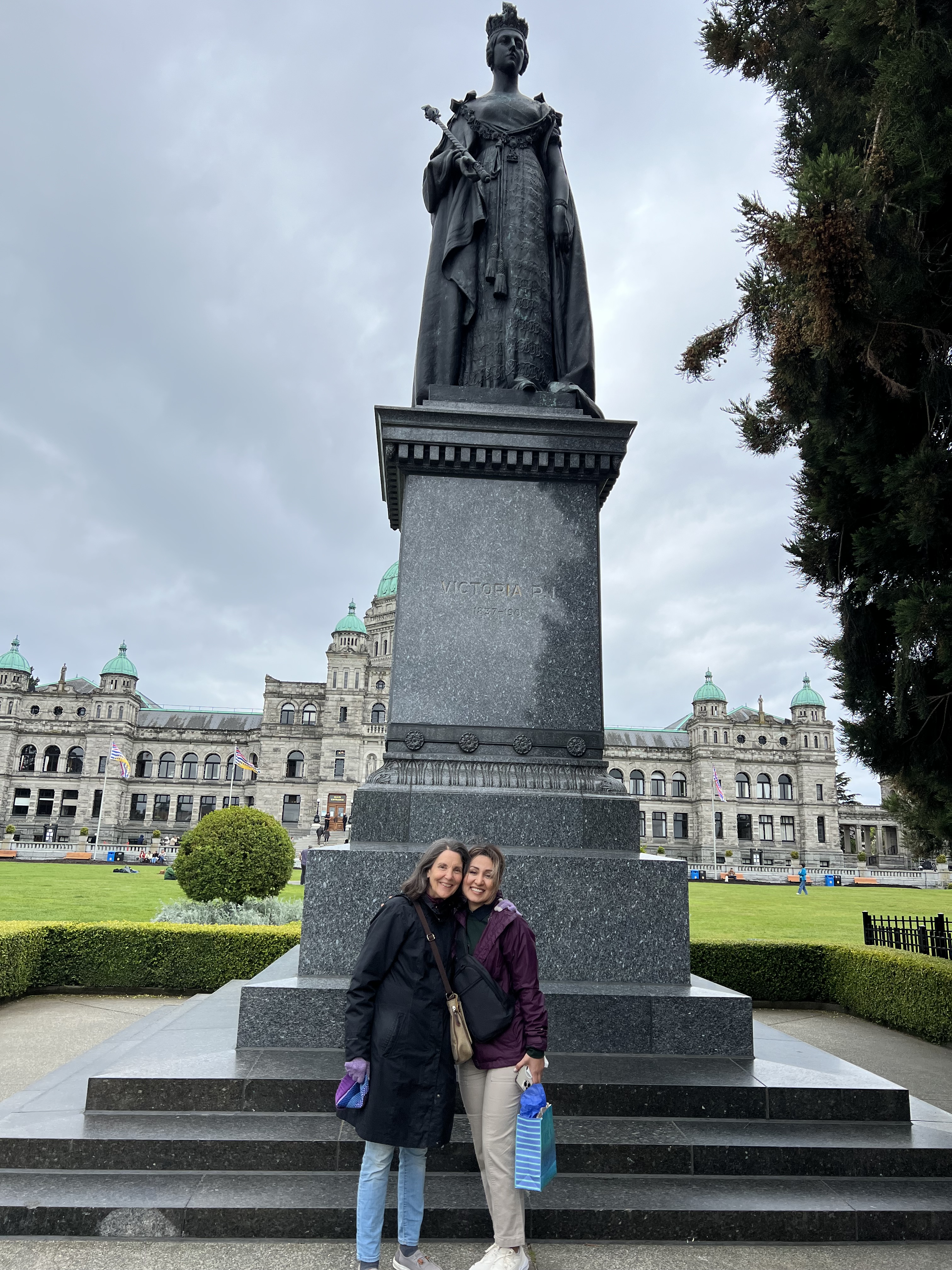
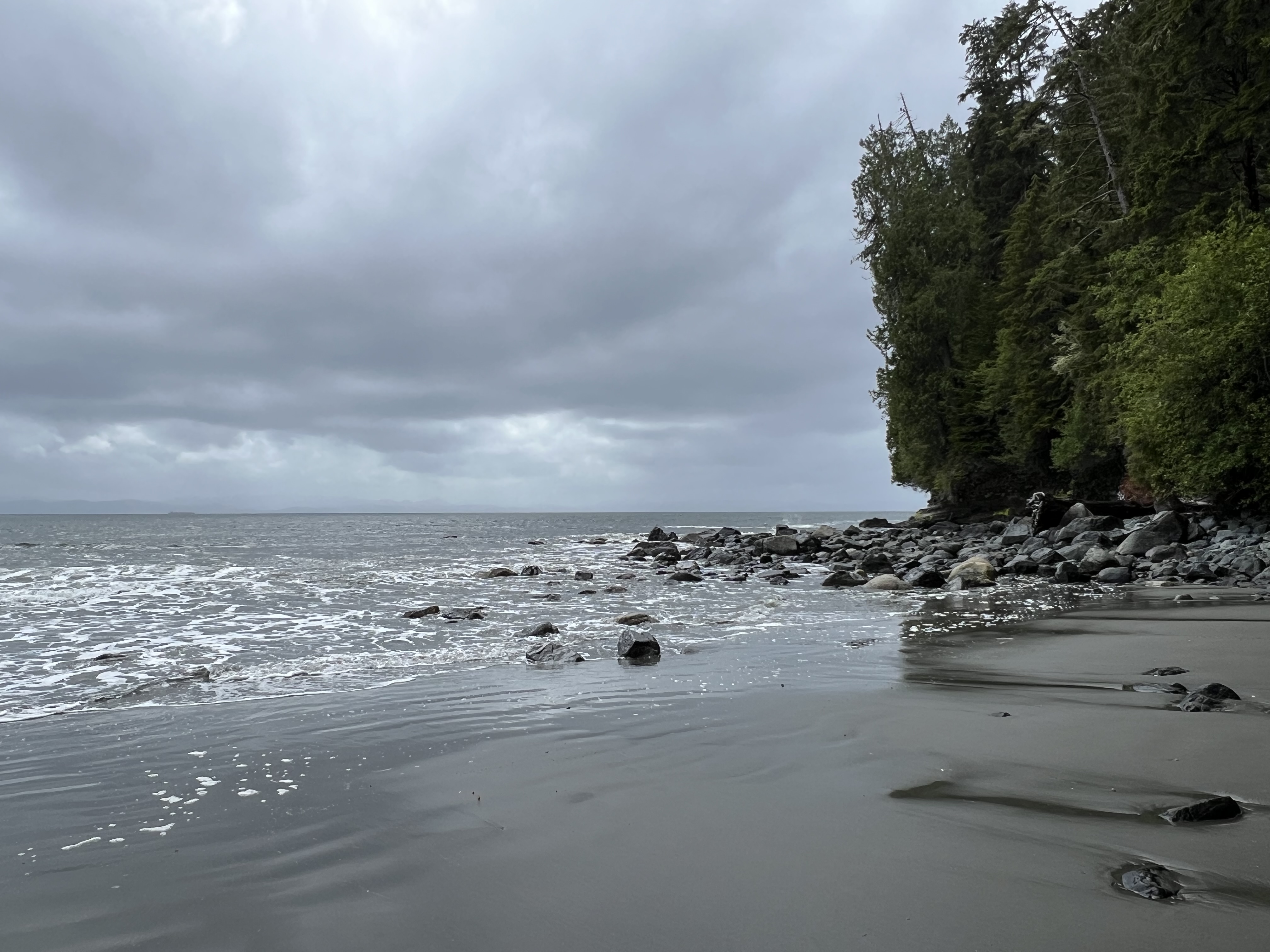
Summer it seems is the time to explore new places, see new sights, meet new and old friends, and of course, eat new food. Thus far, my summer has taken me to British Columbia, both Vancouver and Victoria. Here are a few of my highlights.
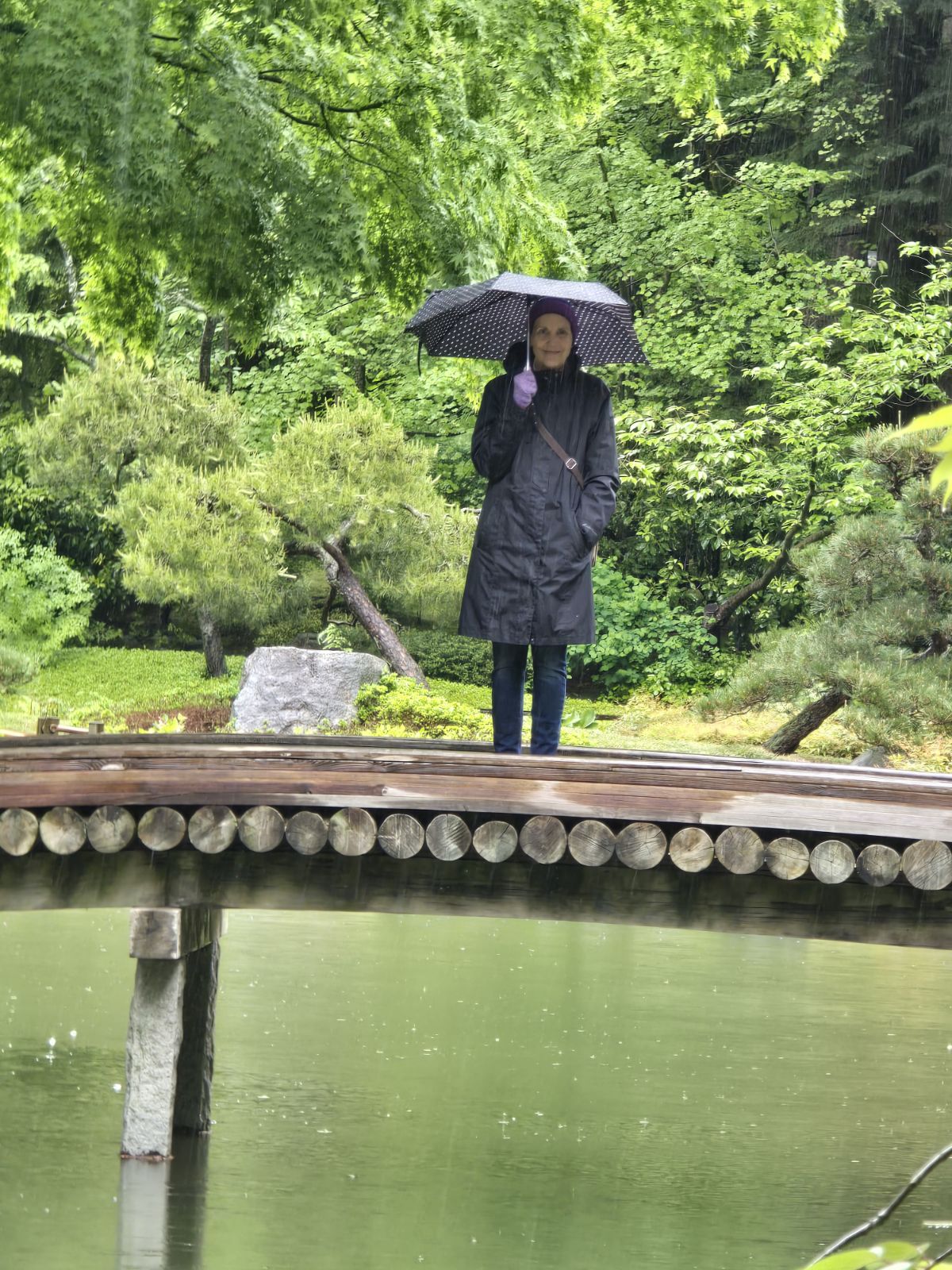
New places: The serenity of the Nitobe Japanese garden on the campus of the University of British Columbia should not be missed. This is one of the best Japanese gardens I have ever visited. Perhaps it helped that it was a rainy day.
New sights: looking at the Olympic National Mountains in Washington across the Strait of Juan de Fuca from Victoria, BC.
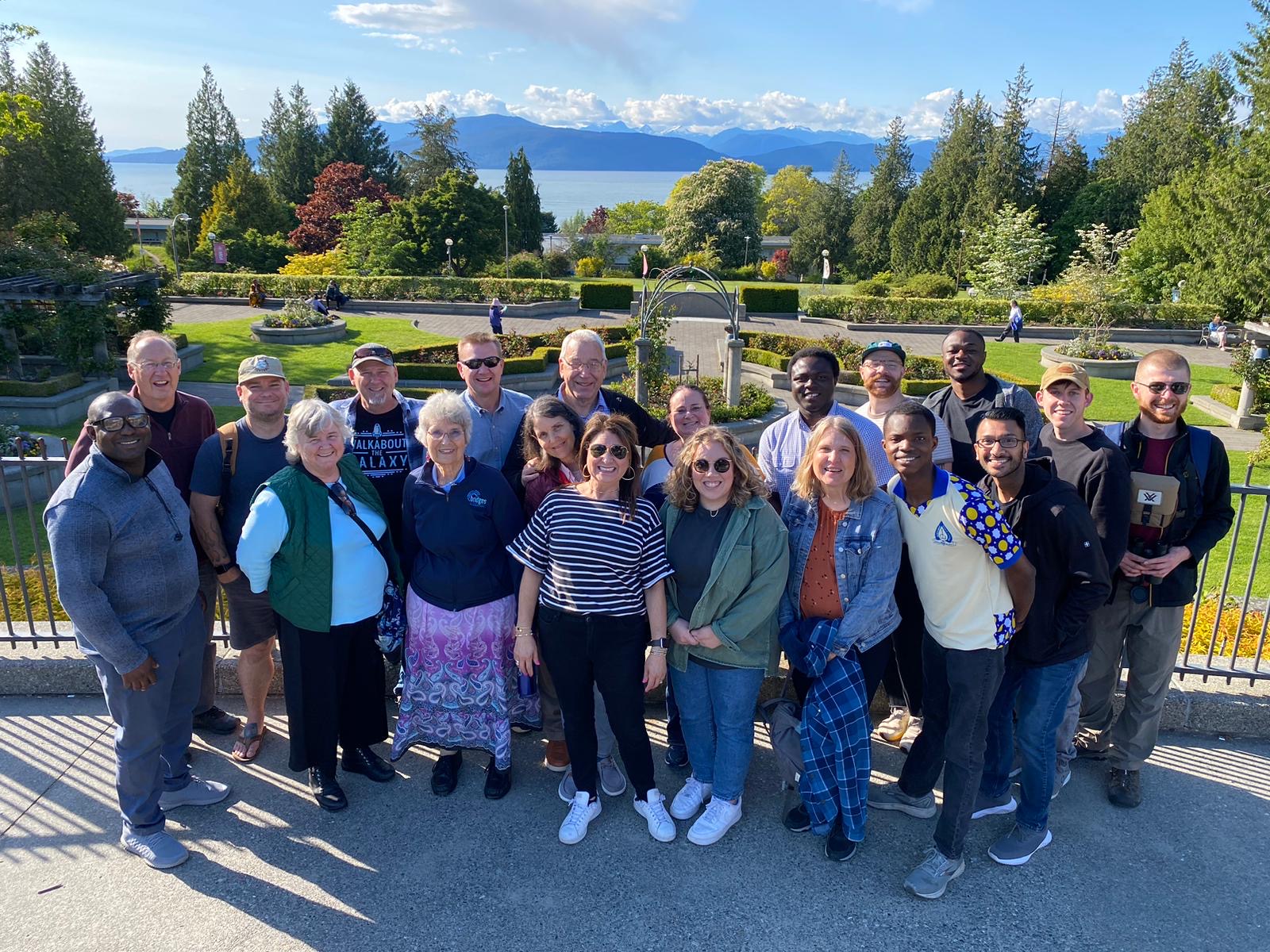
New Friends: Some of the new friends are those from the summer project that Bridges held at the University of British Columbia. It is such a delight to work alongside so many godly and goodhearted people.
Some of the new friends we met were students who were either working or studying at UBC. I met people from China, Ghana, India, Italy, and the Philippines, to name a few. They were kind enough to tell us about their spiritual interests, their heroes, and their cities.
Old Friends: Much to my surprise, a former student from KSU happened to be in Victoria at the same time we were. This was such a gift from the Lord. It almost seemed dream-like to see her in a place that neither of you are connected with.
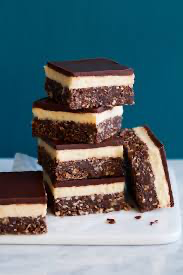
New Food: Eating is usually delightful. The student union at UBC had the Delly. Their sandwiches were piled high with a good four inches of vegetables, plus meat and cheese. I think Subway could use a lesson from them in sandwich making. I am not sure I ate anything that I have not eaten before except for the Nanaimo bar, truly delicious with tea.
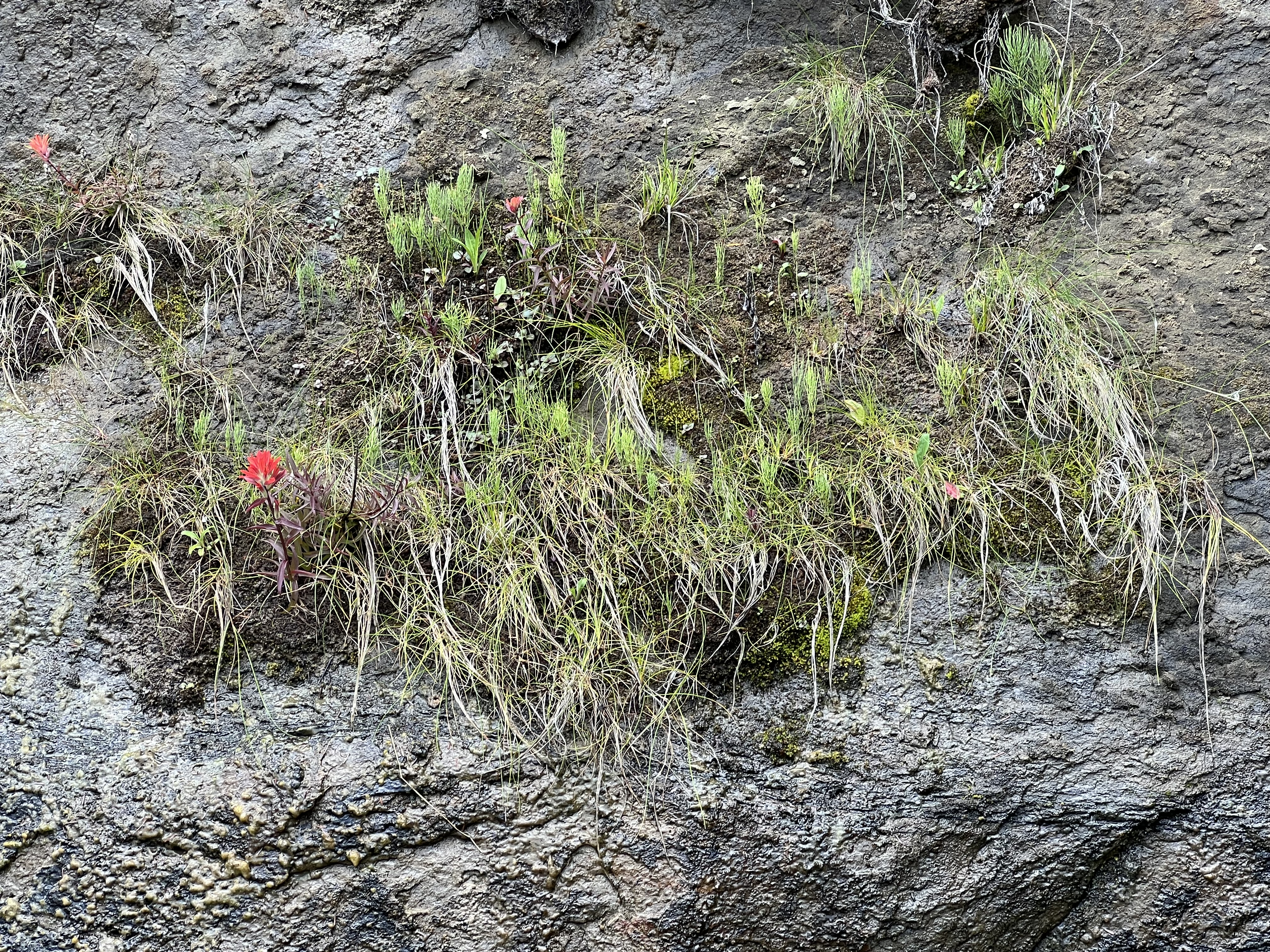
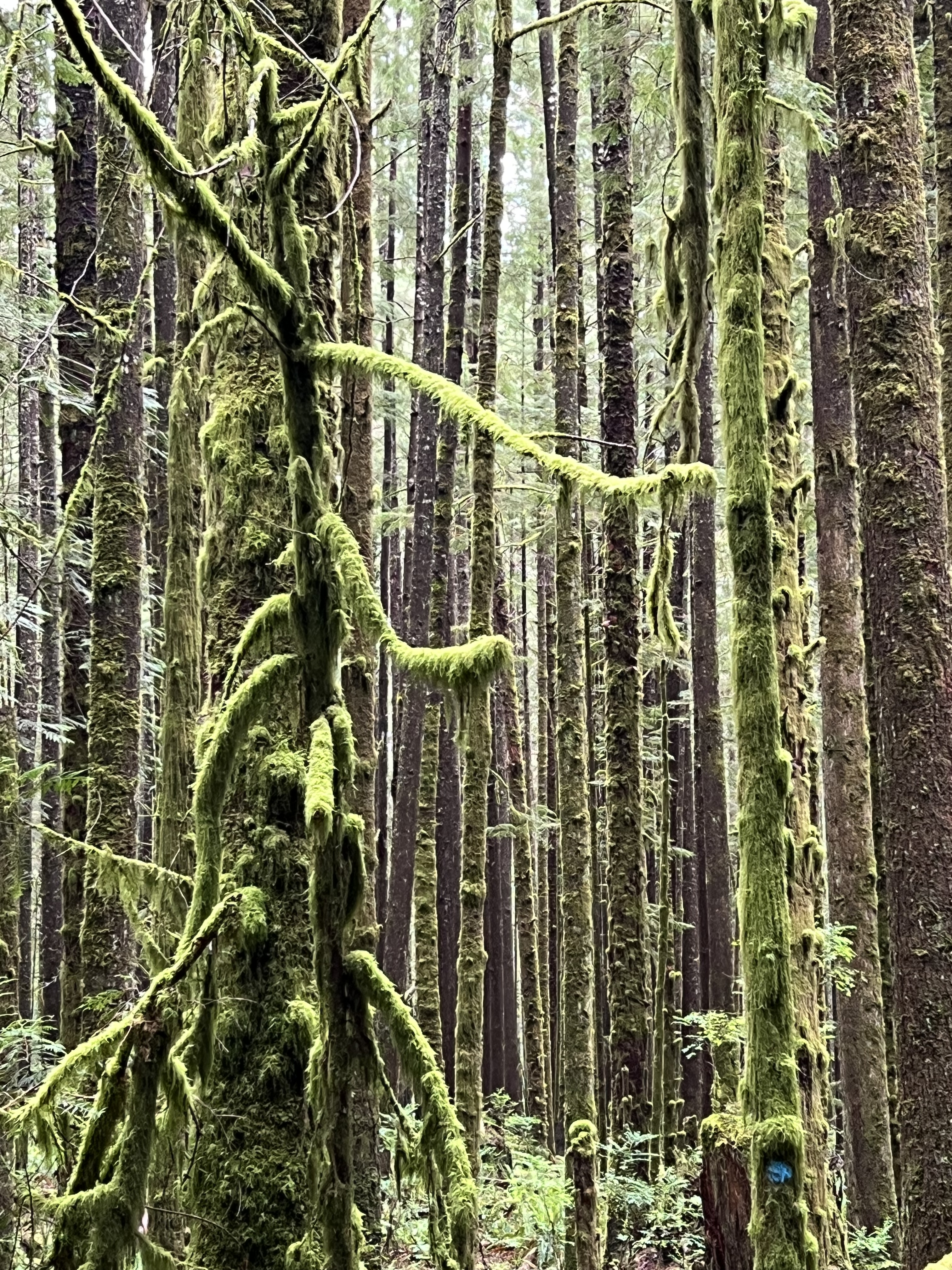
Last but not least is the natural beauty of the Pacific Northwest. It has been a long time since I have been back in this area having lived near Portland, Oregon in the late 1970’s. The giant rhododendrons, now in full bloom and glory are a show stopper. The breadth and height of the Douglas Fir is awe-inspiring. Who can overlook the giant ferns and the miniature lichen and moss? It gives one pause to reconsider the mind and infinite creativity of our God. “Great is the Lord! He is most worthy of praise! No one can measure his greatness” (Psalm 145:3).
Last fall when I was in the Metropolitan Museum of Art in NYC, I overheard some museum guards in the café. The book title, The History of the World in 100 Objects came up. Someone in that group recommended the book to the others. I knew then and there I should look that book up.
It turns out that the objects in the book came from the British Museum and arranged in time periods beginning with 2,000,000 BC until AD 2010. As I read it, I was stuck by how much I was unfamiliar with. The objects came from all over the world.
Why am I writing about this on a website that promotes conversation with people unlike Americans? Precisely, because wherever your friend is from, there is likely to be an object in this book that they may know something about. It is the beginning of a great conversation.
Some of the objects I found were maps, drums, instruments, furniture, tea sets, coins, paper money, writings on stone. I wonder what are some objects that have changed your life? How about your parents’ lives or even your grandparents? What stories do the objects tell?
By the way, the author of this book is Neil MacGregor. Your library most likely can get a copy for you.
Happy reading, happy conversations, and happy learning.
This title caught my attention at an airport bookstore. It was a worthy read.
We are now a month and a half into the new year. What have you been reading lately?
Every year I keep track of the books I read on a spreadsheet complete with the title, author, and a brief comment. At the end of the year, it gives me such satisfaction to look over the list. So far, I have read five books in 2024.
What will you read this year? How will you decide what book to invest time in? I pay attention to books recommended by others. Once, a student from Nigeria told me that The Idiot by Dostoevsky was one of the most influential books he ever read. That’s a compelling recommendation I thought, so I read it which led me to other profound books by the same author.
Another method I use to choose a new book is to take pictures of the books featured in airport bookstores. Usually, I can find these titles on my local library apps like Hoopla or Libby and borrow them on my phone. Reading books on my phone can be useful when you are lying in bed at night reading but don’t want to disturb your partner with the room light on. Also, you can easily highlight, make notes, bookmark, and search for words or names without losing your place. And if you return and then borrow the book again, your highlights and notes are still there. I am not sure how that works. But of course, you already know the benefits of reading a book on your phone.
Why read? Besides the sheer pleasure of stories or gaining information and insight about whatever you happen to be interested in, the breadth of knowledge you gain helps you become more empathetic and connect with others. When we connect with others with what they are interested in, then our lives become richer and deeper.
I wish you a happy new year as you explore new worlds and people through books.
According to Drive Research, just 9% of adults keep their resolutions all year long. On the opposite end of the spectrum, 80% of New Year’s resolutions are forgotten by mid-winter, while many adults(23%) quit the first week of the year.
Have I given up on my resolutions yet? Have you?
One of the most helpful books I have read about how to make personal changes is B.J. Fogg’s book called Tiny Habits. Fogg describes how taking very small steps can help a person be more successful than trying to implement radical changes all at once. For example, he does ten push ups after each time he uses the bathroom to achieve overall fitness. It is a small step, much smaller than going to work out at a gym several times a week and a lot less time consuming. He thinks about what he wants to achieve and breaks it down into small steps. His formula is motivation + ability + prompt = change.
I use his approach when it comes to physical fitness. I also use his approach to other disciplines as well such as taking care of indoor plants, cleaning bathrooms, prayer, practicing an instrument, and reading.
Speaking of the New Year, in the Lifestyle tab there is a discussion guide for New Year’s Resolution. We are still in January. It is not too late to pull it out. Also, as you browse through the Lifestyle discussion guides, there are some new guides to try out: Dating, Sports Around the World, What is Easter, Halloween, Social Media, and Fate, Destiny, and Freewill and AI. Most of these were written by Kansas State University grad students and edited by yours truly.
May I wish you a most successful and personally rewarding New Year.
It is December already. The shadows are coming earlier. The nighttime temperatures have dropped. We have had a little snow. Browns, dull yellows, and gold dominate the landscape. Christmas lights are up bringing cheer on especially drab days.
Now is the time we look back at the conversations we have enjoyed at the Conversation Café fall 2023 semester. One of my favorite topics had to do with our international friends’ perception of we Americans. Here are three of their observations.
Americans do not tell you when they don’t know an answer to a question. They say, “That’s a good question.”
Americans don’t give internationals time to process and answer. They have moved on before an international has had time to compose their answer and ask it.
Americans do not follow up in friendship. They may start with friendliness but then the attachment stops.
Ouch! And yet, their feedback is so helpful. Perhaps we can use the coming start to a new year to transition to more insightful and kind behavior as we welcome internationals among us.









 International Conversation Cafe